

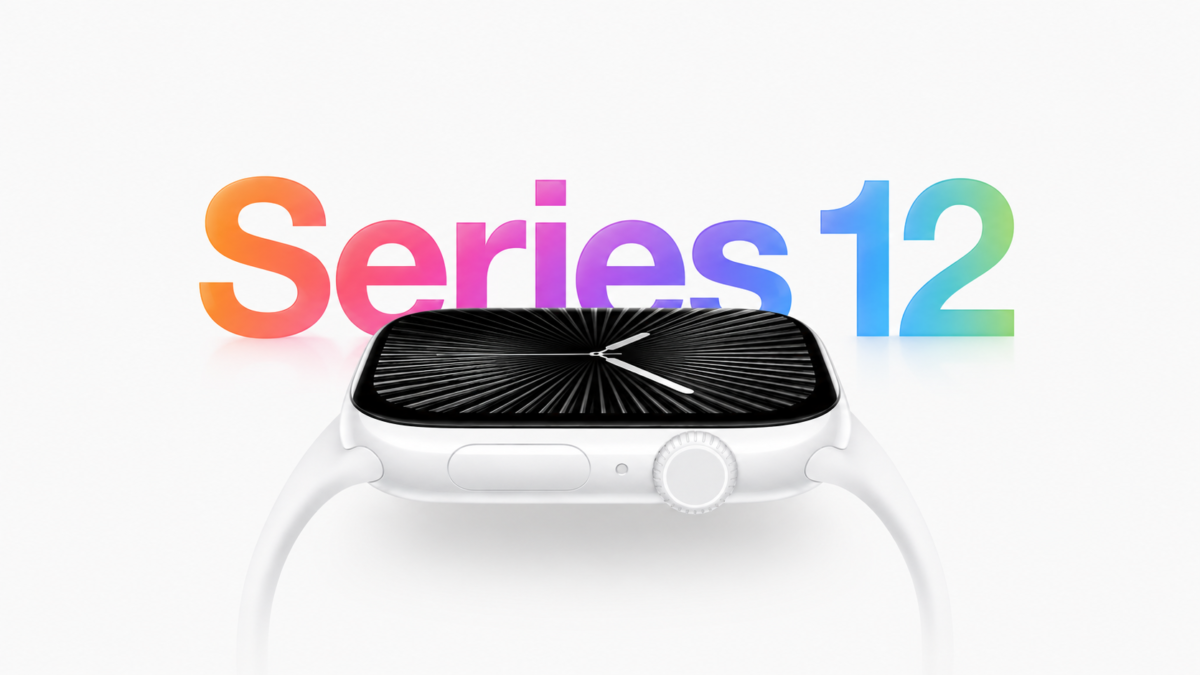
The Apple Watch Series 12 starts at $399 and went on sale on 18 September, but several of its headline health features, including the ECG app, irregular rhythm notifications and hypertension notifications, aren’t switched on in Nigeria, Kenya or Ghana. Apple’s own watchOS 27 feature availability page lists each health feature by country, and most West and East African markets are missing from the medical ones.
The good news is that most of what the Series 12 does day to day still works wherever you live, including the new all-day heart rate tracking, the Readiness score and the Blood Oxygen app. Start with the table below, because it shows which features you’ll actually get before you pay for a watch that’s marketed on health.
Check which Apple Watch Series 12 health features work in your country
| Feature | Nigeria | Kenya | Ghana | South Africa | Egypt |
|---|---|---|---|---|---|
| ECG app | No | No | No | Yes | Yes |
| Irregular Rhythm Notifications | No | No | No | Yes | Yes |
| AFib History | No | No | No | Yes | Yes |
| Hypertension Notifications | No | No | No | Listed, Series 12 clearance pending | Yes |
| Sleep Apnea Notifications | No | No | No | Yes | Yes |
| Blood Oxygen app | Yes | Yes | Yes | Yes | Yes |
| Vitals | Yes | Yes | Yes | Yes | Yes |
| Apple Pay | No | No | No | Yes | Yes |
| Emergency SOS via satellite | No | No | No | No | No |
South Africa and Egypt are the two larger African markets with the full heart health set. A few smaller markets also have the ECG app, including Mauritius, Madagascar, Gabon, Seychelles and Zimbabwe. For South Africa, Apple adds a note that Hypertension Notifications may not yet be available on the Series 12 specifically, because additional regulatory clearance for the new watch is still in process.
These restrictions follow medical device approvals in each country, so they apply to where you use the watch rather than which model you buy. A Series 12 bought in Dubai or London won’t necessarily keep the ECG app once you set it up at home in Lagos or Nairobi, so don’t pay extra for a foreign unit expecting those features to come with it.
What the Series 12 still does well without those features
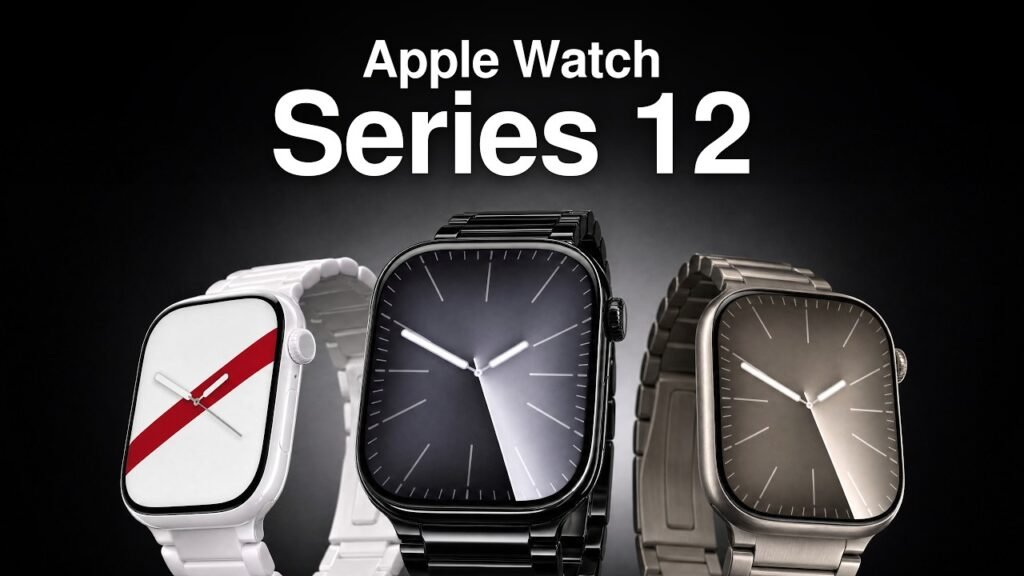
The biggest change this year is a new Health Sensing System that checks your heart rate every five seconds around the clock and measures heart rate variability every five minutes, according to Mac Observer. That data feeds a new Readiness score from 0 to 10, which tells you whether your body is ready for a hard workout or needs a rest day. Readiness and the Vitals app carry no country restrictions, so both work in Kenya, Nigeria and Ghana from the day you set the watch up.
High and low heart rate alerts, sleep tracking, wrist temperature, GPS workout tracking, Fall Detection and Crash Detection all work normally too. The Blood Oxygen app is available across almost all of Africa, although Apple labels it a wellness feature rather than a medical one, and the readings are viewed in the Health app on your iPhone.
On the hardware side, the Series 12 runs Apple’s new S11 chip, keeps the 42mm and 46mm sizes, and moves the aluminium models to Ceramic Shield 2 glass, which Apple says is tougher than last year’s. A ceramic case option also returns this year. Macworld reports that battery life stays at up to 24 hours of normal use, so this isn’t the watch to choose if you want several days between charges.
Don’t treat the Series 12 as a replacement for a proper blood pressure check or heart test, especially in a country where its medical features aren’t approved. If you’re worried about your heart or blood pressure, see a doctor and use the watch data as extra information rather than a diagnosis.
Choose the GPS model unless you live in South Africa
The Series 12 comes in a GPS-only version and a GPS plus Cellular version. The cellular model lets the watch make calls and use data without your iPhone nearby, but it needs a network that supports Apple Watch cellular plans. In Africa, only South Africa is on Apple’s list, through MTN and Vodacom.
If you’re in Nigeria, Kenya or Ghana, the cellular model costs more for a radio you can’t activate. Buy the GPS version instead, and let the watch connect through your iPhone as normal. The same applies to the Apple Watch Ultra 4, which starts at $799 and only comes as a cellular model, and whose satellite Emergency SOS isn’t available in any African country yet.
Know what Apple Watch Series 12 prices look like before local stock arrives
In the US, the Series 12 starts at $399 for the 42mm aluminium model and $449 for the 46mm model. Titanium, ceramic and cellular versions cost more, and Apple hasn’t published all of those prices yet. Apple doesn’t sell the watch directly in Nigeria, Kenya or Ghana, so local prices will depend on the seller, import duty and exchange rate. Any naira, shilling or cedi figure you see before stock settles is an estimate.
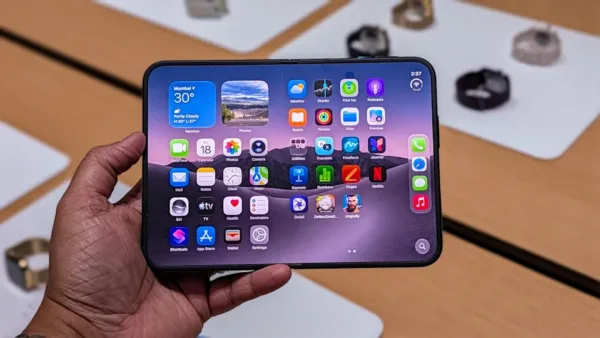
The Series 12 also needs an iPhone running iOS 27, because watchOS 27 won’t pair with an iPhone on older software. Update your phone under Settings > General > Software Update before the watch arrives, so setup doesn’t stall. If you’re importing a new iPhone at the same time, our guide to buying an iPhone Duo in Nigeria and Africa covers the carrier lock and eSIM checks you’ll need.
What to check first if you want a Series 12 in Nigeria, Kenya or Ghana
Decide which health features matter to you, then check them against the table. If ECG or hypertension alerts are the main reason you want an Apple Watch, the Series 12 won’t give you those in Nigeria, Kenya or Ghana today, and you should wait for Apple to add your country. If you want accurate all-day heart rate, sleep tracking, Readiness, workouts and safety features like Fall Detection, the Series 12 does all of that wherever you are.
Buy the GPS model, confirm your iPhone is on iOS 27, and ask the seller whether the watch is new and unactivated before you pay. The practical aim isn’t to get every feature Apple advertises. It’s to pay for the features that will actually work where you live.



Join the conversation