

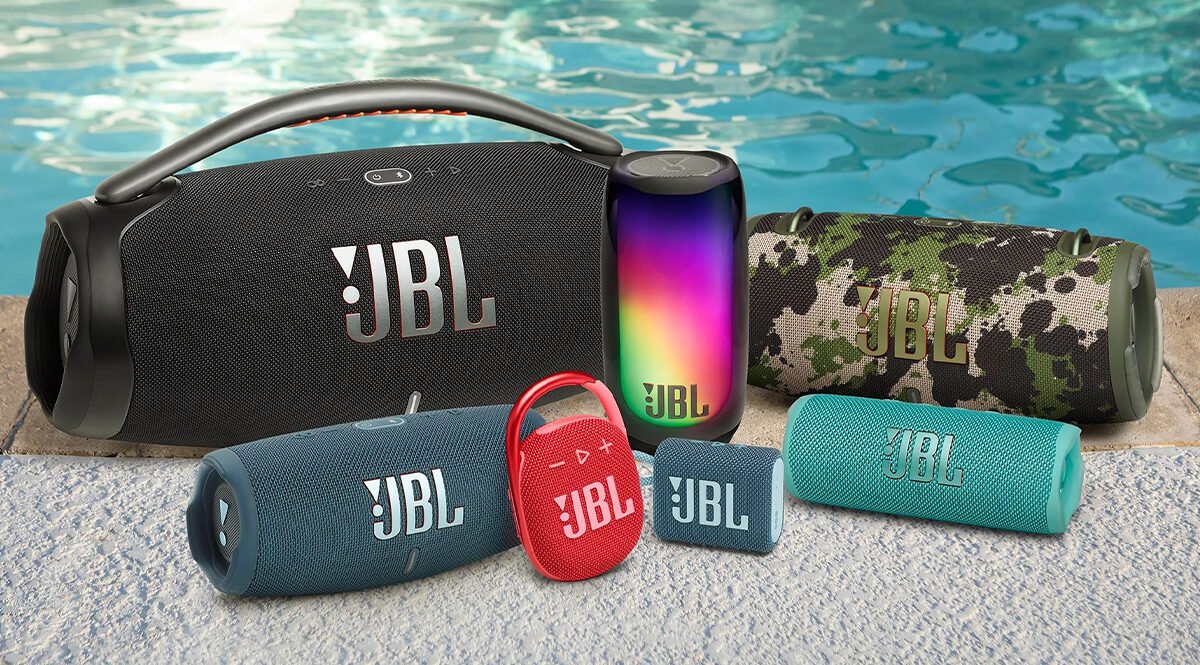
A fake JBL speaker usually gives itself away in four places: it weighs less than the real thing, the box print is flat and blurry, the buttons and grille logo sit wrong, and it won’t work properly with JBL’s own app. JBL itself uses these same tells to separate genuine speakers from copies, and you can run every one of them in a shop or at a pickup point in a few minutes.
In Nigeria, JBL Flip, Charge, Go and PartyBox models are some of the most copied gadgets around, and the copies are good enough to fool you at a glance. The good news is that you don’t need any special tools. Start with the weight and the packaging, because those are the checks a counterfeit struggles most to fake.
Weight is the fake JBL speaker check most copies fail
Real JBL speakers are heavy for their size because of the driver magnets, the battery and the solid housing. Copies save money on exactly those parts. On its buy-authentic page, JBL compares a genuine Charge 3 with a counterfeit one, and the difference is big enough to feel in your hand.
| Genuine JBL | Counterfeit | |
|---|---|---|
| Speaker weight | 1.76 lb (about 800g) | 1.32 lb (about 600g) |
| Power supply weight | 66g | 41g |
| Power button | Flush, in the centre | Sticks out |
| Grille logo | Embedded in the grille | Raised above the grille |
| Rubber port flap | Product name engraved | Missing on JBL's example |
| Charger markings | Compliance logos printed on the brick | Missing on JBL's example |
Genuine JBL wins on 6 of 6 counts.
Those figures are for the Charge 3, so don’t hold a Flip 6 or a Charge 5 to the same numbers. What you can do is search for your model’s official weight on JBL’s website before you go, then compare. If you can, hold a unit from a store you trust next to the one you’re being offered. A speaker that feels hollow or light for its size deserves suspicion even if everything else looks right.
The box tells you more than the seller will
JBL says the print on a genuine box has better contrast and a detailed, textured finish, while counterfeit boxes look flatter and lose fine detail. A real box should also carry a serial number, barcode stickers, fine printed branding and compliance icons. Look closely at the small text on the sides and back, because that’s where copies usually get sloppy.
It’s also worth comparing the serial number on the box with the one printed on the speaker itself, which on many models sits under the rubber flap or on the base. If the two don’t match, or the speaker has no serial at all, walk away. A missing box isn’t automatically a fake, since people do resell speakers without packaging, but it removes one of your best checks, so the other tests have to carry more weight.
Pair it with the JBL app before money changes hands
JBL’s Singapore store notes that its products work with the JBL app, Auracast and PartyBoost, and that counterfeits typically lack JBL’s unique functions. In practice, that makes the app one of the quickest tests you have. Install JBL’s app on your phone before the meeting, pair the speaker over Bluetooth and see whether the app actually recognises it by model name and lets you change settings. If your model supports PartyBoost or Auracast, try that too.
Check the Bluetooth name the speaker shows on your phone as well. Play something with real bass at moderate volume and press every button. JBL lists unresponsive buttons, mismatched controls and misaligned logos among the signs of a fake, and those faults show up quickly once you start using the speaker rather than just looking at it.
Price and the seller can warn you before you even open the box
JBL’s own advice is that counterfeits are usually cheaper than genuine products, so check the official price for your model before you shop. A brand-new Charge or Flip going for far less than every other seller is asking is the clearest warning you’ll get. We haven’t listed naira prices here because JBL doesn’t publish an official Nigerian price list and street prices move a lot.
Warranty is the other reason to care about where you buy. JBL says items bought from unauthorised resellers don’t qualify for its warranty or customer service, and it specifically warns against buying from Temu, AliExpress, Alibaba and their resellers. Don’t accept a “shop warranty” as a replacement for that without asking exactly what it covers and getting it written on the receipt.
The order to run these checks if you only have five minutes
Pick it up first, because weight rules out most copies instantly. Then look at the box print and serial, pair it with the JBL app and press every button with music playing. If the speaker passes all of that and the price makes sense, you’re very likely holding the real thing. The same habit of testing before trusting works for other accessories too, as our guides on checking if wireless earbuds are genuine and testing a power bank’s real capacity show.
The practical aim isn’t to treat every seller as a scammer. It’s to make sure the speaker you pay for sounds, lasts and is supported like a JBL, because JBL warns that counterfeit units use inferior components that fail quickly and can be a safety hazard even when they’re switched off.

Join the conversation