

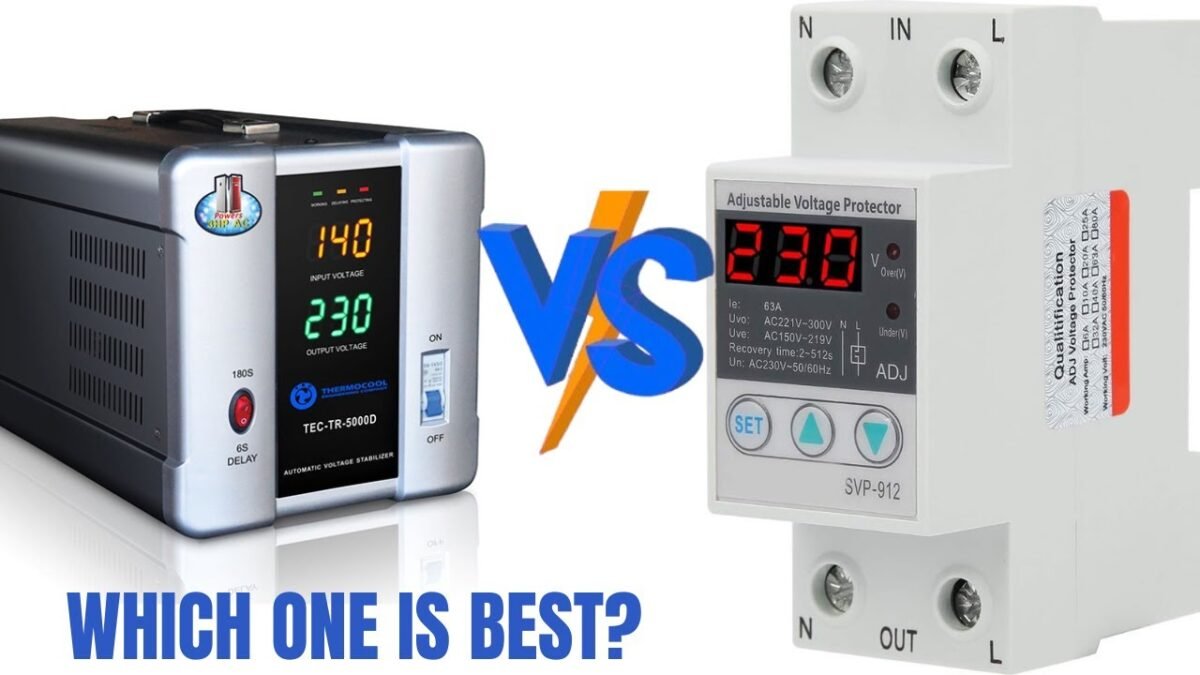
A surge protector and a stabilizer handle two different power problems, and choosing between a surge protector vs stabilizer in Nigeria depends on which one your home actually has. A surge protector absorbs short, sharp spikes like the ones that can hit when grid power is restored after an outage, while a stabilizer corrects voltage that stays too low or too high for long periods. Many households deal with both, which is why the right answer often differs from one appliance to the next.
The good news is that you don’t need to put a big stabilizer behind every socket. Phones and laptops already cope with a wide range of voltage on their own, while fridges, TVs and sound systems tend to suffer more when the supply swings. Start with the comparison below, then match each device in your home to the protection it needs.
| Surge protector | Stabilizer | UPS | |
|---|---|---|---|
| Short spikes | Main job | Only if it has surge protection built in | Most models include surge protection |
| Low or high voltage for hours | No | Main job, within its input range | Line-interactive models correct small swings |
| Power during an outage | No | No | Yes, for a few minutes |
| Best suited to | Phones, laptops, consoles, routers | Fridges, freezers, TVs, sound systems | Desktop PCs and anything that must shut down safely |
| What wears out | Surge components weaken with each surge | Relays and fans over years of use | The battery, which needs replacing |
What a surge protector really does for your gadgets
A surge protector is not the same as an ordinary extension box, even if the two look alike on a shop shelf. Belkin explains on its surge protector guide that a plain power strip only gives you more sockets, while a surge protector adds components called metal oxide varistors (MOVs) that divert excess voltage away from your devices. If the box doesn’t mention surge protection and a joule rating on the label or packaging, treat it as a plain extension.
The joule rating tells you how much surge energy the unit can absorb, and Belkin notes that a higher rating handles a single big surge or a series of smaller ones better. The same guide also says surge protectors get used up as they absorb surges, which matters in a country where power can go off and come back several times in one evening. A unit that has worked hard for a few years may still power your devices while offering little protection, so look for a model with a “protected” indicator light and replace it when that light goes out.
What a surge protector won’t do is fix low voltage. If your bulbs glow dim at night and your fan crawls, a surge protector will pass that weak supply straight through to whatever is plugged into it.
When a stabilizer is the better buy for your home
A stabilizer, sometimes sold as an AVR (automatic voltage regulator), watches the incoming voltage and steps it up or down so your appliance gets something close to its rated 220 to 240 volts. That makes it the right tool for areas where voltage sags in the evening or jumps when the load on the transformer drops. Fridges and freezers are the usual priority, because their compressors don’t like starting on low voltage, and TVs and home theatre systems come next.
Check two numbers on the label before you pay. The first is the input voltage range, which tells you how low and how high the supply can go before the stabilizer cuts off, so a wider range suits areas with very poor supply. The second is the capacity in VA or kVA, which should comfortably exceed what you’ll plug into it. Appliances with motors or compressors draw far more power for a moment when they start than when they’re running, so be careful with a stabilizer that only just matches the fridge’s running wattage, because it may trip or strain every time the compressor kicks in.
Many stabilizers also come with a start delay, which makes them wait a short while after power returns before switching your appliance on and keeps it off during the unsteady first moments of supply. If the model you’re looking at has a delay switch, keep it on for the fridge and freezer.
Match each device in your home to the right protection
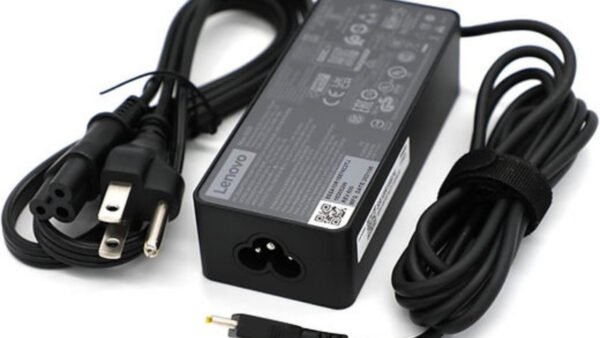
Phone chargers and laptop adapters are usually rated for 100 to 240 volts, which you can confirm on the small print of the charger itself, so they rarely need a stabilizer. A good surge protector is enough for them, and the bigger risk is usually the charger. Our guide to phone charger watts and spotting a fake covers that side of things.
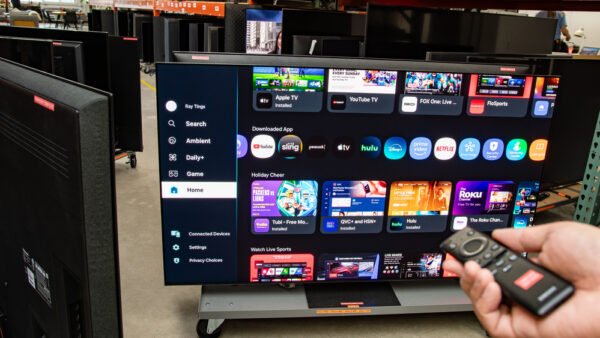
TVs fall somewhere in between, because power boards are a common failure point when the supply misbehaves, as we noted in our smart TV buying checks. A stabilizer with surge protection built in is the safer choice if your voltage swings, and a surge protector alone is fine where supply is steady. Desktop PCs are different again, because a sudden cut can corrupt files or damage a drive, and a UPS gives you the few minutes you need to save your work and shut down properly. Gaming consoles and Wi-Fi routers do well on a surge protector, though a small UPS on the router keeps your internet up through short blinks in supply.
If you switch to a generator, inverter or power station when NEPA goes off, the same rules still apply. Generators can produce unsteady voltage, especially small ones under heavy load, so the stabilizer on your fridge earns its keep there too. For backup that runs without fuel, our guide to sizing a portable power station in Nigeria explains how to work out what it can carry.
Don’t let the shop’s label decide for you
Product names in electronics shops are loose, and you’ll see extension boxes sold as “surge protectors” and simple relay boxes sold as “AVR stabilizers”. Read the specifications on the unit rather than the name on the shelf. Regulated electrical products imported into Nigeria fall under the Standards Organisation of Nigeria’s SONCAP certification scheme, which checks them against standards such as the IEC’s, so ask the seller about certification and be wary of unbranded units with no markings at all.
The order to buy in if your budget is tight
If you can only buy one thing this month, protect the most expensive appliance that suffers most from your local supply. In an area with low or swinging voltage, that usually means a stabilizer for the fridge or freezer first, then one for the TV. In an area where voltage is steady but power goes off and on often, a good surge protector for your TV, console and laptop corner gives you the most protection per naira.
A UPS comes later for most homes, unless you work on a desktop PC every day. The practical aim isn’t to buy the biggest unit in the shop. It’s to put the right kind of protection behind each device so that the next surge or voltage drop costs you nothing more than a moment of darkness.




Join the conversation