

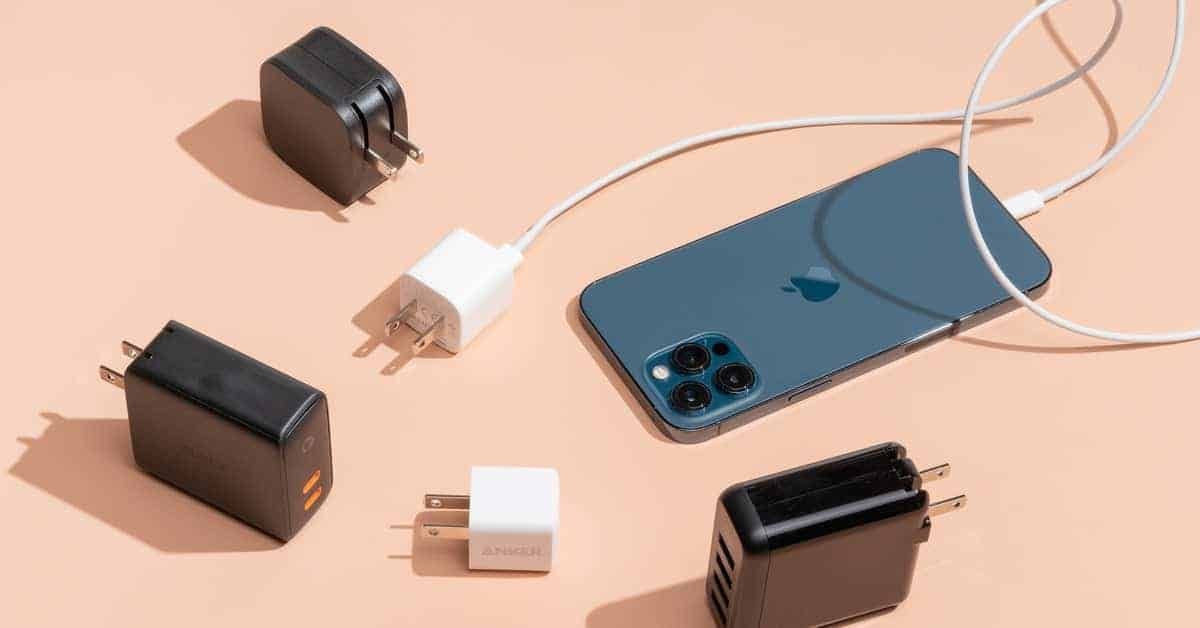
A phone charger in Nigeria only charges at full speed when its wattage and charging standard match what your phone supports, and a bigger number on the box doesn’t fix a mismatch. A Samsung that needs USB Power Delivery with PPS, an iPhone that needs USB-C Power Delivery, and an Infinix or Tecno that uses its own fast-charging system all want different things from the same-looking brick.
That matters because most of us end up replacing a charger at some point, often in a hurry at a roadside stand or a market stall. The good news is that you don’t need to be an engineer to get it right. You only need to know what your phone expects and how to check the charger in your hand before you pay.
| Specification | Samsung Galaxy (Super Fast Charging 2.0) | iPhone 17 | iPhone 18 Pro | Infinix and Tecno |
|---|---|---|---|---|
| Charging | 45W | 40W adapter or higher | 60W-capable adapter | Varies by model |
| Standard needed | USB PD 3.0 with Direct Charging (PPS) | USB-C Power Delivery | USB PD 3.2 with AVS | Brand's own fast-charging system |
| Examples | Galaxy S25 Ultra, S25+, A56, A36 | — | — | — |
| Apple's figure | — | About 50% in around 20 minutes | About 50% in around 15 minutes | — |
| Safest choice | — | — | — | Original charger from Carlcare or Oraimo |
Start with what your phone can actually take
Your phone decides how much power it draws, not the charger. A 65W laptop charger won’t push 65W into a phone that tops out at 25W, and that’s a good thing, but it also means paying extra for wattage your phone can’t use is wasted money. Look up your exact model on the manufacturer’s site, or check the box it came in, and note two things, which are the maximum wattage and the charging standard.
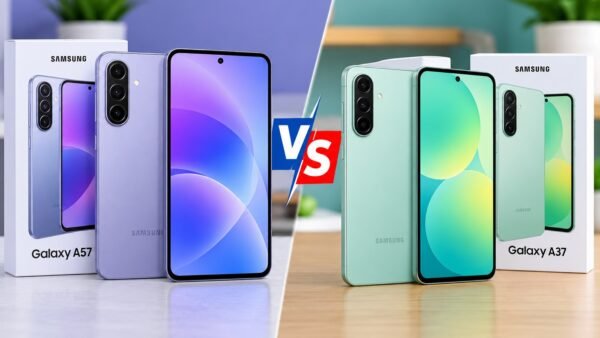
For Samsung phones, the standard is the part people miss. According to Samsung’s charger guidance, Super Fast Charging 2.0 at 45W “requires a USB Power Delivery (PD) 3.0 compatible device supporting Direct Charging”, and the 45W mode also needs a 5A cable. Plug in a charger that lacks this and the phone falls back to slower charging, even if the brick says 45W. Many Galaxy A models stop at 25W Super Fast Charging, so check before you buy a 45W unit you don’t need. If you’re still deciding on a Samsung, our Galaxy A57 vs Galaxy A37 comparison covers the rest of the buying decision.
iPhones need USB-C Power Delivery, and the new Pros want more
Apple’s fast-charging page says older iPhones need an Apple 18W or greater USB-C adapter, or a comparable third-party one that supports USB Power Delivery. The iPhone 17 models need a 40W adapter or higher for their quickest charging, and the iPhone 18 Pro models need a 60W-capable adapter that supports USB PD 3.2 with Adjustable Voltage Supply. That last detail is the one to check on the label, because many older chargers sold as fast chargers don’t support it.
An older USB-A charger with a USB-A to Lightning or USB-C cable will still charge an iPhone, just slowly. If you bought your iPhone abroad, it’s worth reading our guide on how Apple’s warranty works in Nigeria too, so you know where you stand if a charging fault ever needs a repair.
Infinix and Tecno owners should stick close to the original
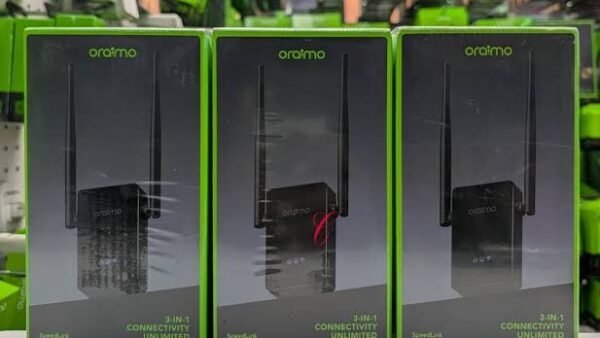
Infinix and Tecno phones use their own fast-charging systems, and the wattage depends on the model, so a generic charger will usually charge them at a basic rate. Carlcare, Transsion’s official after-sales service, warns that “fake chargers pose a great risk to your phone’s charging system and life in general” and points Infinix owners to its service centres and its exclusive accessory partner, Oraimo, for originals. You can check prices and reserve one in the Carlcare app before you go.
How to spot a fake phone charger in Nigeria before you pay
Counterfeit chargers are easy to find and hard to tell apart in a quick glance, so slow down and run through these checks at the counter.
Once you’re home, plug it in and watch the screen. Most phones show “Fast charging” or “Super fast charging” on the lock screen when the charger and phone are talking properly. If you only see a plain “Charging” message with a charger that’s meant to be fast, try the original cable before blaming the brick, and return it if it still doesn’t work. Any charger that gets too hot to hold, buzzes or smells of burning plastic should be unplugged straight away.
Which charger is actually worth your money
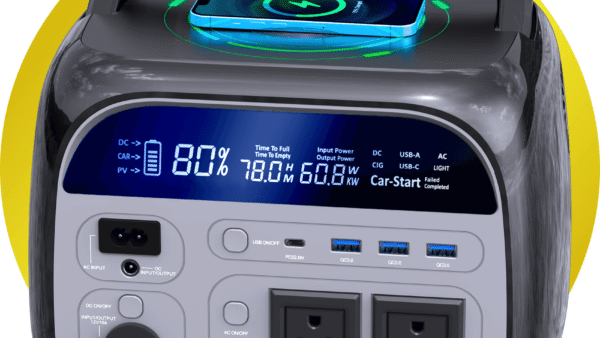
The practical aim isn’t to buy the highest wattage you can find, but a charger that supports your phone’s charging standard at a wattage it can use, from a seller you can go back to if something goes wrong. The same buying instinct applies to power banks, and our guide on checking a power bank’s real capacity walks through the checks for that purchase.


Join the conversation