

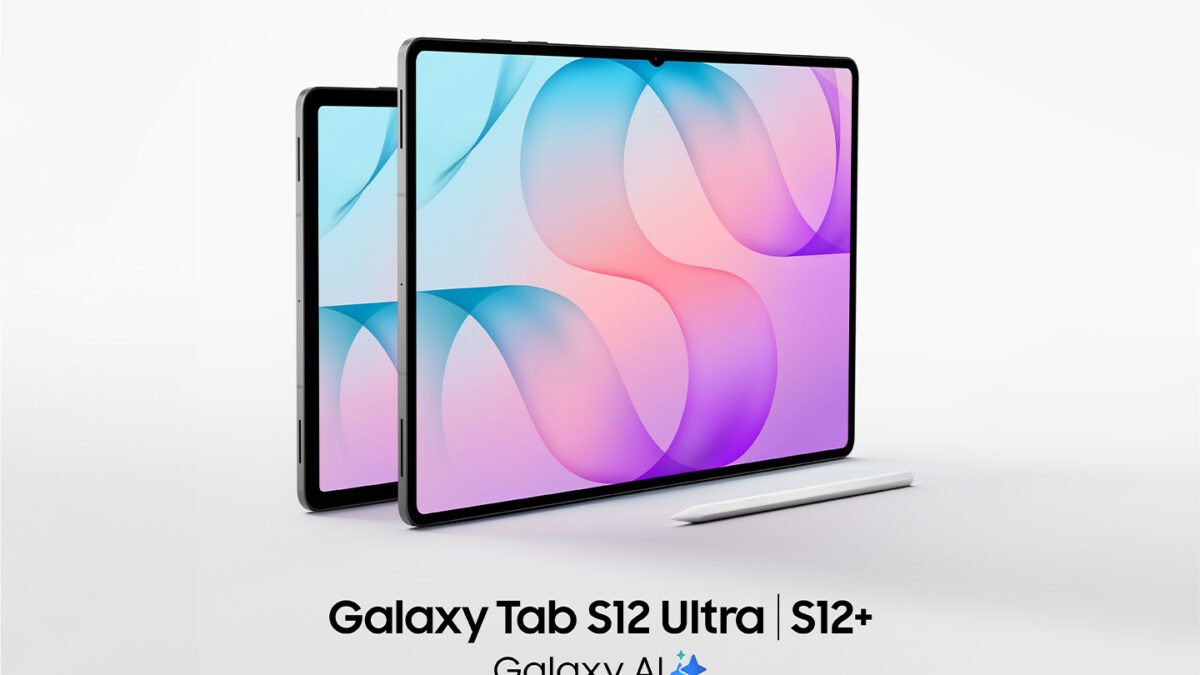
Samsung’s Galaxy Tab S12 Ultra and Galaxy Tab S12+ went on sale in Nigeria from October 14, 2026, through Samsung Experience Stores, authorised dealers and partner retailers, and the first naira listings put the Ultra at ₦1,780,200 for the 12GB RAM and 256GB model. That’s before you buy a charger, because Samsung’s official spec sheet lists the 45W adapter as sold separately, so the tablet you carry home won’t fast-charge out of the box.
For context, ₦1.78 million is more than many Nigerians will pay for a solid work laptop, and the 512GB Ultra is listed at ₦2,051,100. The pitch from Samsung Electronics West Africa CEO Lucas Lee is that the series is “made for purpose-driven individuals seeking tablet devices that match their ambition”, which is a polite way of saying this is a premium tool rather than a tablet for watching films in bed. Whether it earns that money depends on how much of your work actually happens on a big screen with a pen.
| Features | Galaxy Tab S12 Ultra | Galaxy Tab S12+ |
|---|---|---|
| Chipset | MediaTek Dimensity 9500 | MediaTek Dimensity 9500 |
| Display | 14.6" Dynamic AMOLED 2X, 2960 x 1848, 120Hz | 12.6" Dynamic AMOLED 2X, 2800 x 1752, 120Hz |
| RAM | 12GB or 16GB | 12GB |
| Storage | 256GB, 512GB or 1TB, microSD up to 2TB | 256GB or 512GB, microSD up to 2TB |
| Main Camera | 13MP + 8MP ultra-wide | 13MP |
| Front Camera | 12MP ultra-wide | 12MP ultra-wide |
| Battery | 11,600mAh | 10,600mAh |
| Charging | 45W (adapter sold separately) | 45W (adapter sold separately) |
| Operating System | Android 17, One UI 9 | Android 17, One UI 9 |
| SIM | 5G, physical SIM + eSIM | 5G |
| Water Resistance | IP68 | IP68 |
| Weight | 695g (5G) | 555g (5G) |
What ₦1.78 million buys you, and what it leaves out of the box
The Ultra is a very large tablet. Its 14.6-inch screen is bigger than the display on most 14-inch laptops, it weighs about 695g in the 5G version, and at 5.1mm it’s thinner than most phones. Samsung puts the S Pen in the box and rates both models IP68 for dust and water, which is unusual on a tablet and useful if you take it to site visits, lectures or a market stall. The Ultra also takes a physical SIM and an eSIM, so you can keep your main MTN or Airtel line on your phone and run a data-only SIM in the tablet.
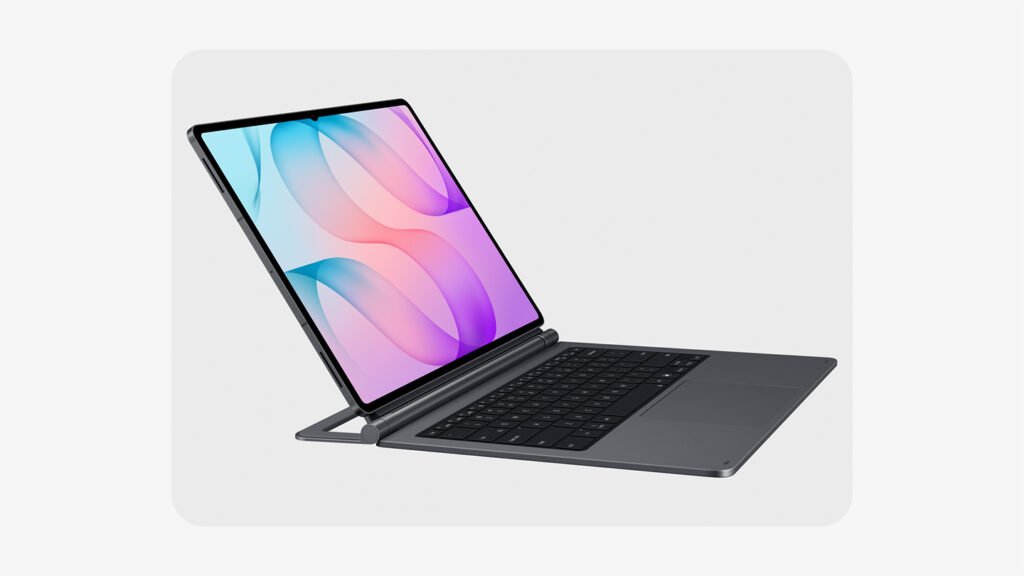
Two omissions matter more in Nigeria than they would elsewhere. The first is the charger, since Samsung says a full charge takes about 95 minutes with its 45W adapter, and a weaker brick you already own will be much slower when power comes back for only a short window. The second is that this S Pen doesn’t support Bluetooth Low Energy, so the remote shutter and air gestures some older Galaxy pens offered aren’t part of the package, although writing and drawing work as normal.
₦1,780,200–₦2,051,100
Official stockWarrantyAsk the store to confirm the Samsung warranty period in writing
Last checked: 18 October 2026
Early listings for 5G models at a Samsung Experience Store partner. The S12+ 512GB listing currently shows the same ₦2,051,100 as the Ultra 512GB, which looks like an error, so confirm the price before you pay.
Why the S12+ may be the smarter buy for most people
Both tablets run the same MediaTek Dimensity 9500, so the cheaper one isn’t slower where it counts. Samsung says the chip brings up to 19% faster CPU, 17% better graphics and a 61% faster NPU than the Tab S11 Ultra, and the S12+ gets all of that in a 12.6-inch body that weighs about 555g. You lose the second rear camera, the 16GB and 1TB options and a bit of battery (10,600mAh against 11,600mAh), but Samsung’s own figures still give it up to 21 hours on a charge, against 23 hours for the Ultra.
Software support is the strongest argument for paying flagship money at all. Samsung promises up to seven Android upgrades and security updates for the series, depending on model and market, which means a tablet bought this month should still be getting updates well into the next decade. That long runway is also why buying a lightly used older model can make more sense than it looks, and our guide to checking a UK-used iPad before you pay covers the same lock and software checks you’d want on a used Galaxy Tab.
Before you hand over the money, ask the seller to switch the tablet on in front of you, confirm the model and storage in Settings > About tablet, and check that the box includes the S Pen. Pay with a method that leaves a record, and keep the receipt with the warranty card, because you’ll need both if the screen or battery ever needs work at a Samsung service centre.
Buy it if
- Designers, architects and note-takers who will use the S Pen every day
- Anyone who wants a laptop-sized screen that also works as a tablet on the go
- Buyers who keep devices for five years or more and value long software support
Skip it if
- People who mainly stream, browse and use WhatsApp
- Students on a budget who would be better served by a laptop
- Anyone who isn't ready to buy a separate 45W charger
A powerful, well-supported tablet with an unusually large screen, but at ₦1.78 million and up, most buyers will get more value from the S12+ or a good laptop.
Laptop prices aren’t easing either, as the slump in global PC shipments has kept them high, so the honest comparison for the Ultra is a mid-range laptop plus a cheaper tablet. If you’ll draw, annotate or present on it every working day, the Ultra’s screen and pen justify a lot of that cost. If you won’t, wait a few weeks for the listings to settle, get a confirmed S12+ price, and put the difference toward the charger and a keyboard cover.


Join the conversation