

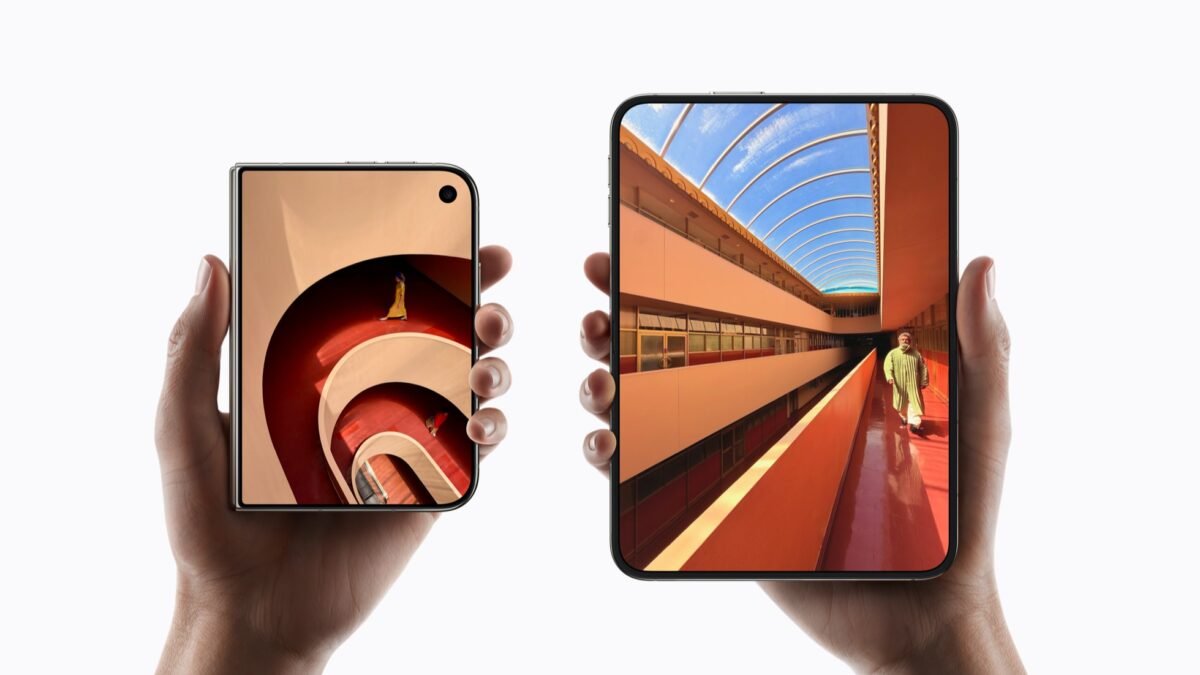
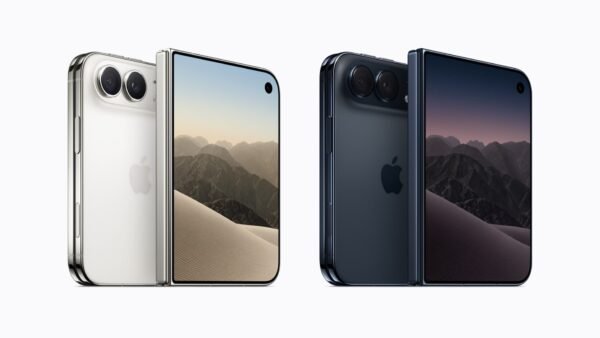
Apple confirmed on October 26, 2026, that the inner display is failing on some iPhone Duo units, three days after its first foldable iPhone went on sale. The company said in a statement that it is “aware of an issue impacting the inner display on a small number of iPhone Duo units”, and that affected owners “should contact AppleCare for a replacement.” Owners have described cracks running along the centre of the hinge, the part of the screen that bends every time the phone opens.
For buyers in Nigeria, that replacement promise comes with a complication. Apple doesn’t sell the iPhone Duo here, and Nigeria wasn’t among the launch countries named in its announcement, so almost every unit you’ll be offered has come from Dubai, the UK or the US. Apple’s fix assumes you can reach an Apple service channel that will accept your phone, which is easy in London and much harder in Lagos, so the checks you do before paying carry more weight than usual.
| Chipset | A20 Pro (6-core CPU, 7-core GPU) |
|---|---|
| Storage | 256GB, 512GB, 1TB, 2TB |
| Display | 7.6-inch foldable OLED inside, 5.4-inch OLED outside, both 120Hz ProMotion |
| Main Camera | 48MP Fusion main, 48MP ultra wide, 12MP 2x telephoto |
| Front Camera | 12MP Center Stage on the outer screen, under-display camera inside |
| Battery | Dual batteries, up to 44 hours video playback on the outer screen, 31 hours on the inner screen |
| Charging | About 50% in 20 minutes with a 60W adapter (sold separately), MagSafe and Qi2 up to 25W |
| Operating System | iOS 27 |
| SIM | Dual eSIM only, no SIM tray |
| Water Resistance | IP68 |
| Weight | 254g |
| Launch Price | From $1,999 in the US, no official Nigerian price |
The crack shows up where the iPhone Duo folds
Reports of cracked inner screens appeared online over the weekend of October 24 and 25, and owners describe the damage following the centre line of the hinge, with some saying the phone felt stuck or made a popping sound before it happened. Apple hasn’t said what causes it or whether it has changed anything on the production line, and it hasn’t given a number beyond calling it a small number of units. Reports suggest that some of the photos shared online were AI-generated fakes, but Apple’s own statement confirms that the genuine problem exists.
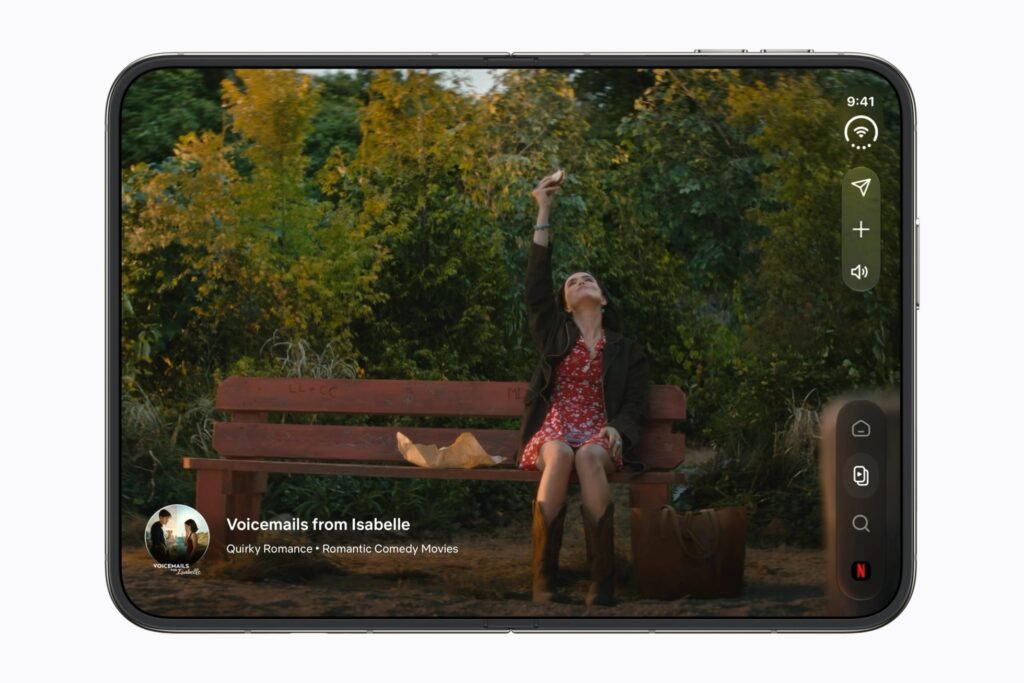
Reports also suggest that you don’t need AppleCare+ to get this replacement, since Apple is handling it as a known issue. That’s reassuring if you bought in a country where Apple has stores and service partners. It’s less useful if your phone was bought abroad and you’re now in Nigeria, which is where the warranty fine print starts to matter.
A Dubai or UK receipt decides where Apple will fix it
Apple’s iPhone warranty terms say the company may restrict warranty service for iPhone to the country where the phone was originally sold, and that you may have to cover shipping, customs and taxes if it has to be serviced elsewhere. In practice, a cracked Duo bought in the UAE may need to go back to the UAE, either with you or with someone you trust, and that trip costs time and money that a local buyer never has to think about. We explained how this works in detail in our guide to Apple warranty on iPhones bought abroad.
Keep the original receipt, and make sure it shows the store, the date and the country of purchase. Without it, a seller’s word is all you have, and the serial number alone won’t tell an Apple technician that the phone was bought legitimately. If you’re paying a reseller in Nigeria, ask for the foreign receipt along with the box, and walk away if they can’t produce one for a phone that costs this much.
The NCC checker adds one more deadline for imported phones
Any iPhone Duo brought into Nigeria also has to deal with the NCC’s device checker. According to the NCC’s device checker FAQ, you can check a phone by dialling *315#, and a phone that has never been used in Nigeria gets 30 cumulative days in a year with a Nigerian SIM. Someone who bought the phone abroad for personal use can verify it with their travel history, but a phone bought from a local reseller doesn’t come with your travel record attached, so ask the seller how it was brought in. Our guide to checking a phone under the NCC rules walks through each step.
Buy it if
- You, or someone you trust, can take the phone back to the country it was bought in if it needs repair
- You're buying a sealed unit with a receipt that shows the country of purchase
- You can wait for Apple to say more about the cause before your return window closes
Skip it if
- You're buying from a local reseller without a foreign receipt
- You can't easily travel to the country where Apple will service it
- You were planning to pay a premium only to get one before everyone else
Apple has confirmed the inner-display problem but hasn't explained the cause, and its fix depends on reaching Apple service where the phone was sold. Nigerian buyers carry more risk than launch-country buyers, so waiting a few weeks is the safer choice.
The iPhone Duo was already hard to get, as we noted when it sold out within minutes. A small number of faulty screens doesn’t make it a bad phone, but it changes the maths for anyone importing one, because the buyer furthest from Apple’s service network carries the most risk if the hinge area fails. If you can hold off until Apple explains the cause, you’ll be spending close to $2,000 with far more information than the first owners had.

Join the conversation