

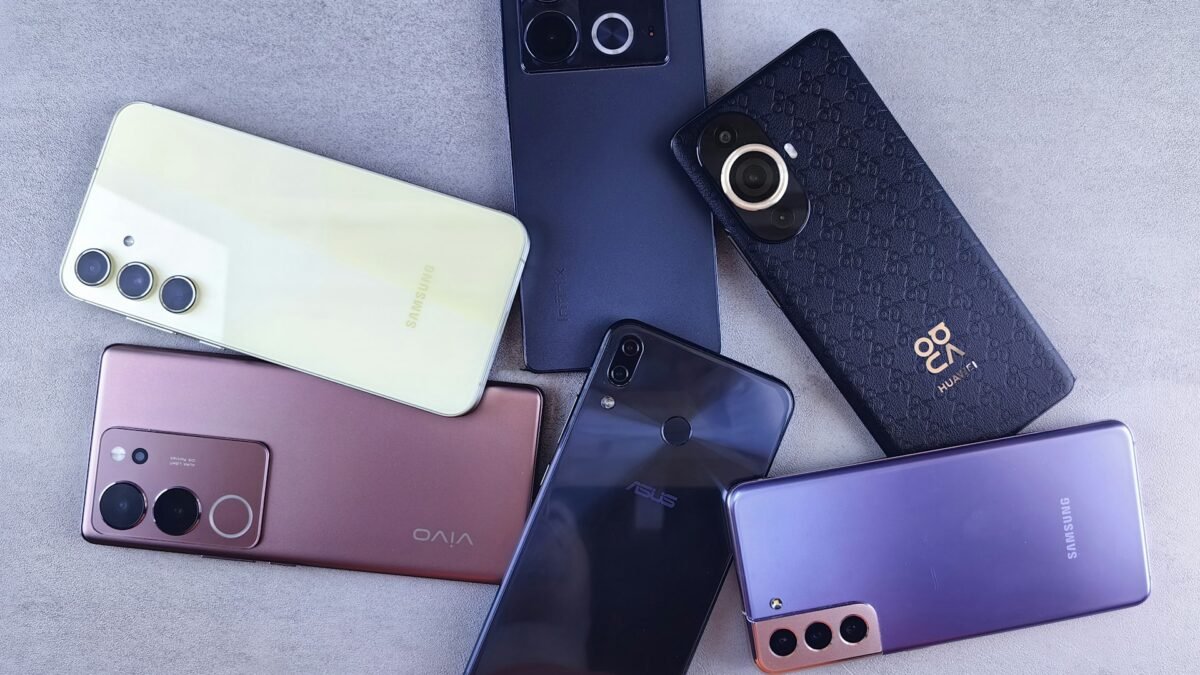
GSMA Intelligence puts 5G population coverage across Africa’s larger markets at roughly 22 percent in Nigeria, 38 percent in Kenya, more than 60 percent in South Africa and around 7 percent in Ghana by the end of 2026. Across Sub-Saharan Africa as a whole, 5G accounts for somewhere near 3.8 percent of total mobile connections.
Those figures answer the question most buyers are actually asking when they look at two phones and notice one costs more because it supports 5G. In most of the continent, and for most of the people reading this, the extra money buys a capability the network cannot yet deliver where you spend your day.
That calculation has become sharper this year. With memory costs pushing manufacturers to cut RAM and storage to hold price points, choosing a 5G model at a fixed budget increasingly means accepting less of the specification that determines how the phone performs day to day. The 5G question is no longer about paying a little extra. It is about what you give up to get it.
What the coverage figures look like on the ground
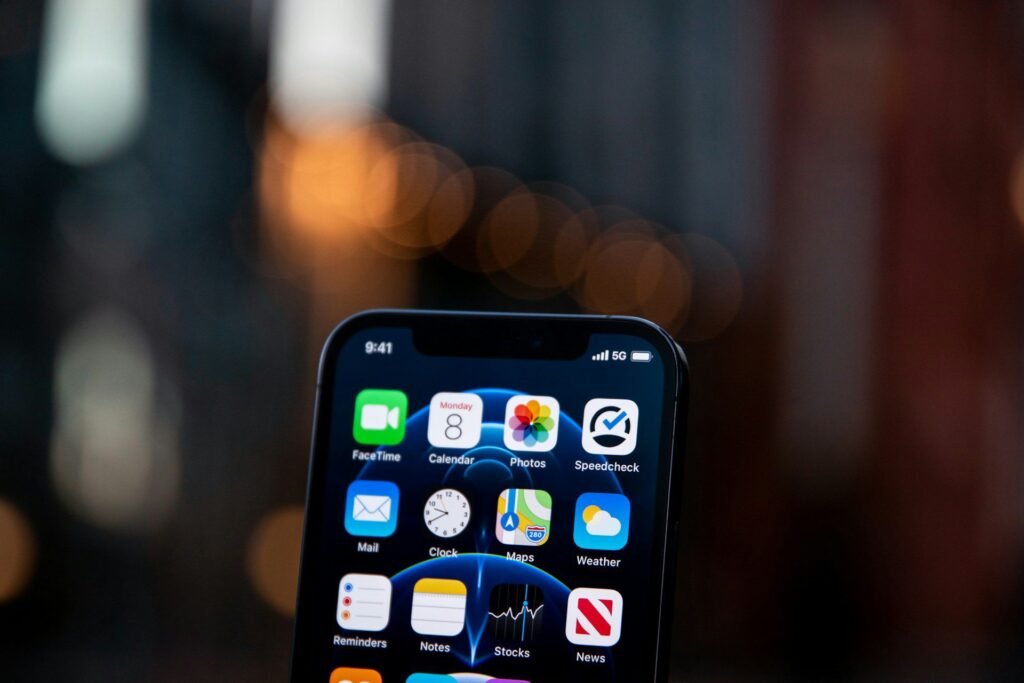
Population coverage is a measure of how many people live inside a signal footprint, not how many can use it. The gap between the two is where the disappointment happens.
Nigeria illustrates it clearly. The country recorded 7.2 million 5G subscribers in early 2026, which is 3.94 percent of the 182 million connections on its networks, and Nigerian Communications Commission data from February had 5G sitting at just over 5 percent of network traffic share against 4G at nearly 54 percent. MTN has deployed more than 2,100 5G sites and Airtel is the only other operator with a visible commercial service. Mafab Communications, which took a licence at the same time as MTN back in 2021, has not reached meaningful deployment. The NCC’s own spectrum roadmap targets a rise from 13 percent coverage to 50 percent by 2030, which tells you how the regulator itself views the current position.
Kenya sits further ahead. Safaricom launched the region’s first 5G network in 2021 and has scaled to more than 1,700 sites reaching roughly 30 percent of the population, concentrated in Nairobi, Mombasa and other dense areas.
Ghana is at the start of its build. Commercial 5G launched in March through Next Gen Infraco, and the government has since opened the rollout to MTN and Telecel, ending the exclusive arrangement. The stated target is 70 percent population coverage by 2027, but 3G still carries around 71 percent of usage today, so the practical position for a Ghanaian buyer in 2026 is that 5G is a future consideration rather than a current one.
South Africa is the exception. With coverage above 60 percent and the largest operator investment on the continent, a 5G phone bought in Johannesburg, Cape Town or Durban will find a network to use.
The band check that decides whether your phone connects at all
Supporting 5G in general is not the same as supporting 5G on your operator’s network, and this trips up buyers of imported handsets constantly.
African 5G deployments run largely on the 3.5GHz range, which appears on spec sheets as band n78. MTN Nigeria’s licence covers 100MHz in that band. A phone built for a North American carrier may support several 5G bands without supporting n78, and that device will fall back to 4G everywhere on the continent regardless of what the box says. Before paying a premium for 5G on an imported handset, find the exact model number and confirm n78 appears in its supported band list.
The same check applies to devices sold locally at the lower end, where 5G support has begun to appear on cheaper models as a marketing feature. Confirm the bands rather than the badge.
What you give up to get it
At a fixed budget in the current market, the 5G premium comes out of somewhere, and it is usually memory. A 5G handset with 4GB of RAM against a 4G handset with 6GB or 8GB at the same money is a common shape on shelves right now, and the second phone will be more pleasant to use every single day for the next three years while the first delivers a faster connection in the handful of places that support it.
There is a battery consideration too. 5G modems draw more power, and in areas with patchy 5G coverage a phone that keeps searching for a signal it cannot hold will drain faster than one that settles on 4G. Where power supply is unreliable, that matters more than peak download speed.
When paying for 5G does make sense
If you live and work in a covered urban area in South Africa, Kenya or one of Nigeria’s served cities, and you can confirm coverage at both your home and workplace on your operator’s coverage map, the capability is real rather than theoretical. If you intend to keep the phone four or five years, the coverage picture at the end of that period will look considerably different from today, and Nigeria’s own roadmap points to 50 percent by 2030. And if you are buying at the upper end anyway, where 5G comes as standard rather than as a premium, there is nothing to weigh up.
Fixed wireless access is worth mentioning separately. Twenty-five operators across the region are using 5G to deliver home and office broadband in areas without fibre, and this is currently the strongest practical use of the technology on the continent. If you are choosing a router rather than a phone, the calculation is entirely different and 5G may be the best connectivity available to you.
For everyone else, the honest position is that 4G with more memory beats 5G with less, and the way to settle it for yourself is to open your operator’s coverage map, check the two or three places you actually spend your time, and let that decide rather than the label on the box.

Join the conversation