

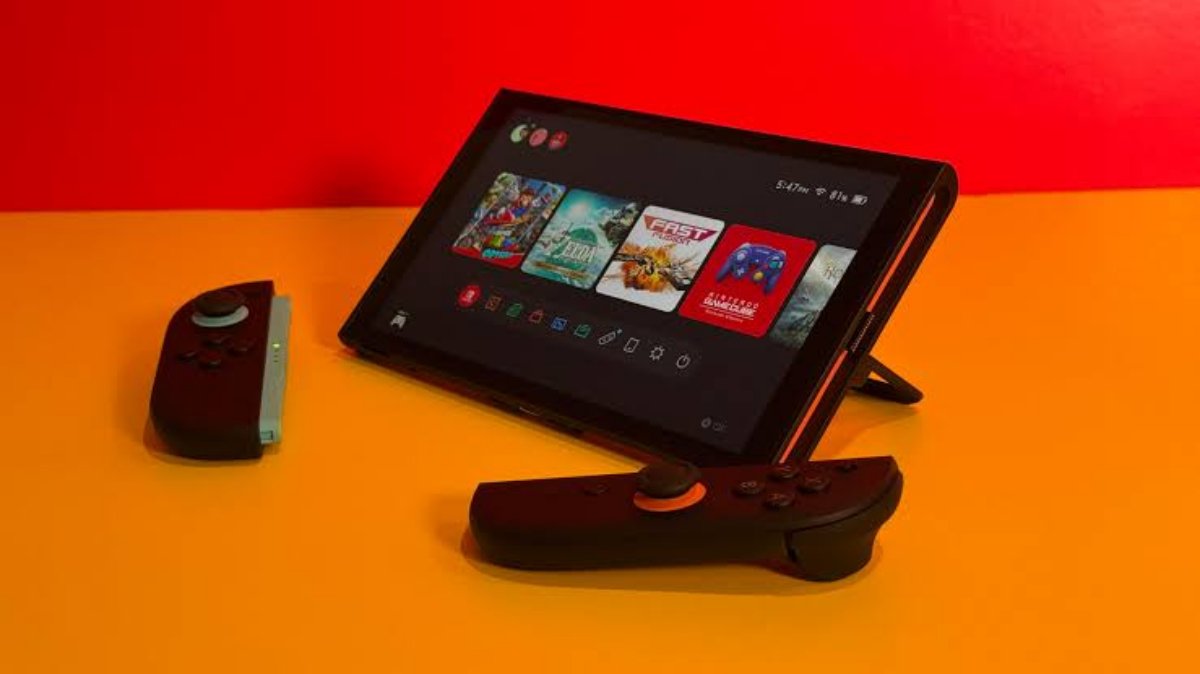
Every Nintendo Switch 2 in Nigeria is an imported unit, because Nintendo doesn’t sell the console through an official Nigerian channel, and that one fact shapes almost everything you should check before paying. The console itself isn’t region-locked for game cards, but your Nintendo Account, the eShop you can shop from, the warranty and even the storage card you buy all depend on decisions you make at the counter.
Most units on Nigerian shelves come in from the UK, the US or the Gulf, and some arrive used. The good news is that none of the checks below needs special tools. Go through them with the seller before money changes hands, because a few of these problems can’t be fixed once you’ve left the shop.
| Processor | Custom processor made by NVIDIA |
|---|---|
| Display | 7.9-inch LCD touchscreen, 1920x1080, HDR10, VRR up to 120Hz |
| Resolution | Up to 3840x2160 at 60fps on TV, 120fps at 1080p or 1440p |
| Storage | 256GB internal, microSD Express up to 2TB |
| Battery | About 2 to 6.5 hours |
| Charging | About 3 hours in sleep mode |
| Connectivity | Wi-Fi 6, Bluetooth, wired LAN through the dock |
| Ports | 2 x USB-C, 3.5mm headphone jack |
| Controllers | Joy-Con 2 |
| Launch Price | Not confirmed |
Where your Nintendo Switch 2 came from decides your warranty
Ask the seller which country the console was bought for and look at the box for clues such as the plug type on the adapter and the regional ratings label. This matters because Nintendo’s own regional compatibility FAQ says the console warranty isn’t valid outside the region it was sold in, and repairs have to be handled in the country of purchase. In practice, a UK unit that develops a fault in Lagos can’t simply be walked into a Nintendo service point here.
That doesn’t make an imported console a bad buy, but it does mean the seller’s own warranty is the one you’ll actually rely on. Get it in writing on the receipt, with the serial number written down, and ask exactly what it covers and for how long. A vague promise to “bring it back if anything happens” won’t help you much if the Joy-Con 2 controllers or the screen fail three months later.
Game cards travel well, the eShop doesn’t
Physical Switch 2 game cards aren’t region-locked, so a game bought in Nigeria will generally run on a UK or US console. Nintendo does say it hasn’t tested every overseas title, and add-on content and upgrade packs are safest when they match the console’s region, so be a little careful with DLC.
The eShop is a different story. Nintendo ties the eShop to the country set on your Nintendo Account, and eShop gift cards only work in the region they were made for, with no refunds for the wrong one. Nigeria isn’t one of the regions Nintendo runs a store for, so you’ll be setting your account to another country. Pick it deliberately, because your balance doesn’t move with you if you change country later, and buy any eShop cards for that same region.
Game-key cards look physical, but they still need your data
Some Switch 2 games come as game-key cards, which look like normal cartridges but don’t hold the game itself. Nintendo explains that the game-key card is a key for downloading the full game over the internet the first time you launch it, and the card has to stay in the console each time you play. The download lands on your internal storage or microSD Express card, and the space needed is printed on the packaging.
For a Nigerian buyer, that changes the real cost of a “physical” game, since a large download on mobile data isn’t cheap. Look for the game-key card label on the box before you buy, and if you’re mostly on a data bundle, plan big downloads for a cheaper night plan or a Wi-Fi connection.
Your old memory card won’t hold Switch 2 games
The Switch 2 only works with microSD Express cards for expansion, up to 2TB, and Nintendo’s storage compatibility page says a regular microSD card from an original Switch won’t let you save or load digital games. Sellers sometimes bundle a standard card as a “free extra”, and it won’t do what you expect.
Look for the “EX” mark on the card itself, and test any card you buy before you trust it with your games. Our guide to testing a memory card for fake capacity walks through how to do that on a computer, which matters even more now that the right cards cost more than ordinary ones.
Power and protection matter more here than abroad
Nintendo’s FAQ notes that AC adapters differ between regions and aren’t interchangeable, so read the input rating printed on the adapter before you plug it in. A UK adapter at least has the three-pin plug Nigerian sockets use, while a US unit will need a proper adapter and not a loose converter. Because the dock stays plugged in most of the day, it’s worth putting it behind a surge protector, and our explainer on surge protectors and stabilisers covers which one a console setup actually needs.
If you’re buying used, power the console on in front of the seller, dock it to a TV, and play for a few minutes in both handheld and TV mode. Check that both controllers attach firmly and respond, and that the console isn’t still signed in to someone else’s Nintendo Account, because you’ll want a clean console tied to your own. The same habits we recommend for buying a used PS5 apply here too.
We couldn’t confirm a reliable naira price for the Switch 2 across Nigerian sellers, since stock is imported in small batches and prices move with the exchange rate. Compare at least two or three sellers, and make sure the price you’re quoted is for the same bundle and the same region.
Pros
- Game cards aren't region-locked
- Plays in handheld and TV mode with one console
- Expandable storage up to 2TB with microSD Express
Cons
- No official Nigerian warranty or repair route
- No Nigerian eShop, so your account must use another region
- Game-key cards and digital games rely on data downloads
- microSD Express cards cost more than standard cards
Buy it if
- Players who want Nintendo's own games and handheld play
- Buyers with steady Wi-Fi or affordable night data
- Anyone who can get a written warranty from a trusted seller
Skip it if
- Buyers who need an official local warranty
- Players on tight mobile data who mostly buy digital or game-key titles
- Anyone being offered a cheap unit with free games loaded
The Switch 2 works fine in Nigeria, but you're buying an import, so the seller's warranty, the right microSD Express card and a planned eShop region matter as much as the console itself.

Join the conversation